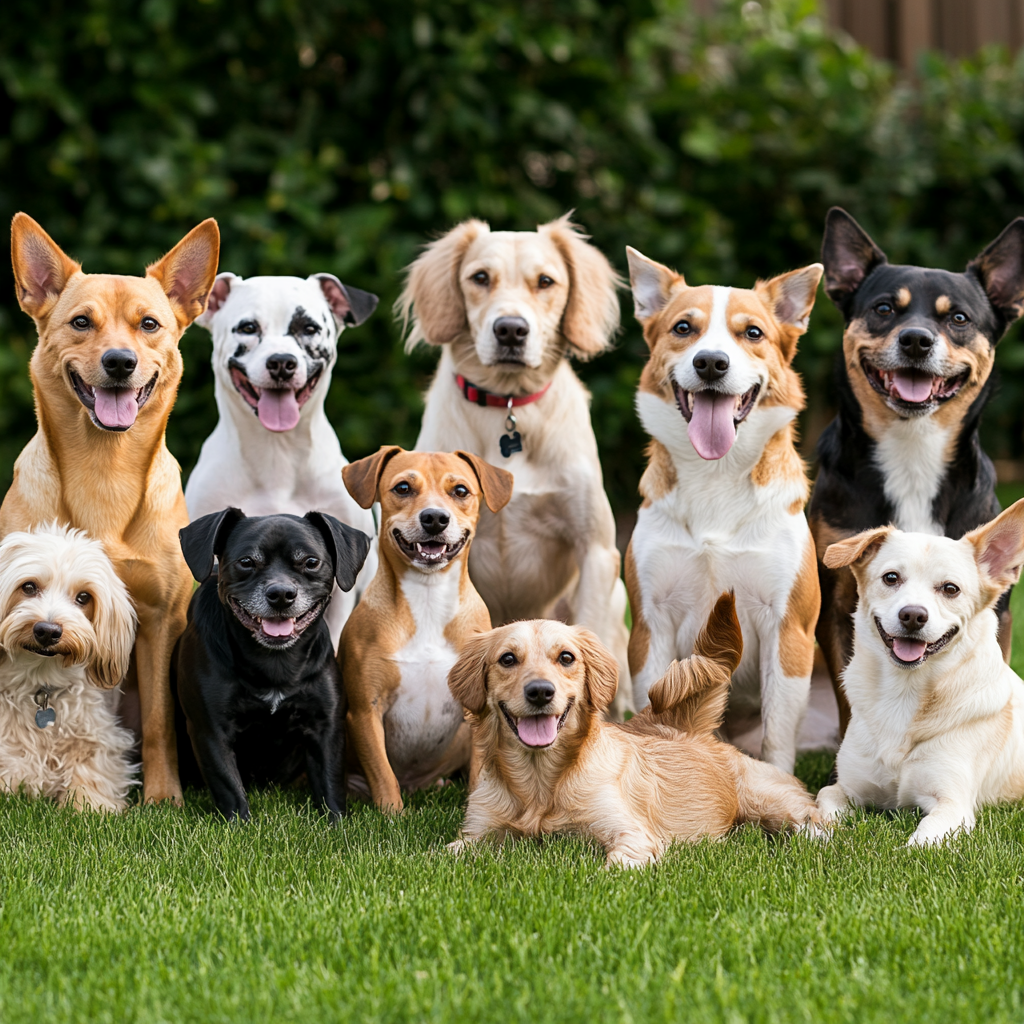
Service dogs play a crucial role in helping individuals with disabilities lead more independent lives. However, not all dog breeds are suited for service work. If you’re considering getting a service dog, you may wonder: What are the best service dog breeds, and which one is right for me? Let’s explore the top service dog breeds and their unique qualities.

Table of Contents
The Best Service Dog Breeds and Their Strengths
1. Labrador Retriever
- Known for their intelligence and gentle temperament.
- Ideal for guiding the visually impaired and assisting individuals with mobility issues.
2. Golden Retriever
- Friendly, obedient, and eager to please.
- Excellent for emotional support and therapy work.
3. German Shepherd
- Highly trainable and protective.
- Commonly used in search and rescue and for individuals with PTSD.
4. Poodle (Standard Size)
- Hypoallergenic coat, making them a great choice for those with allergies.
- Intelligent and versatile in various service roles.
5. Border Collie
- Extremely intelligent and quick to learn commands.
- Well-suited for detecting seizures and medical alerts.
6. Boxer
- Strong and gentle companions.
- Great for mobility assistance and deep-pressure therapy.
7. Great Dane
- Large, sturdy build makes them excellent for mobility assistance.
- Gentle and affectionate temperament.
Helpful Notes on Choosing the Right Service Dog
- Temperament Matters: A service dog should be calm, patient, and able to handle various environments.
- Training is Essential: Professional service dog training is necessary for the dog to perform tasks reliably.
- Lifestyle Considerations: Some breeds require more space and exercise, so choose a breed that fits your lifestyle.
- Health & Longevity: Consider the breed’s health risks and lifespan to ensure long-term assistance.

FAQs About Service Dog Breeds
1. Can any breed be a service dog?
- While any breed can technically be trained, certain breeds are better suited due to their temperament, intelligence, and size.
2. How do I train a service dog?
- Service dogs require professional training, either through a program or with the help of a certified trainer.
3. Do service dogs have to wear a vest?
- No, but many service dog handlers use vests to indicate their dog’s role.
4. Can service dogs live in apartments?
- Yes, as long as their exercise and training needs are met.
5. Are there service dogs for anxiety and PTSD?
- Yes, breeds like Golden Retrievers and Labrador Retrievers excel as emotional support and PTSD service dogs.
Conclusion
Choosing the right service dog breed depends on your specific needs, lifestyle, and the dog’s abilities. Whether you need mobility assistance, medical alerts, or emotional support, there is a perfect service dog breed out there for you. Take the time to research, consult with professionals, and select a breed that aligns with your daily life. A well-trained service dog can be a life-changing companion, offering independence and companionship like no other.