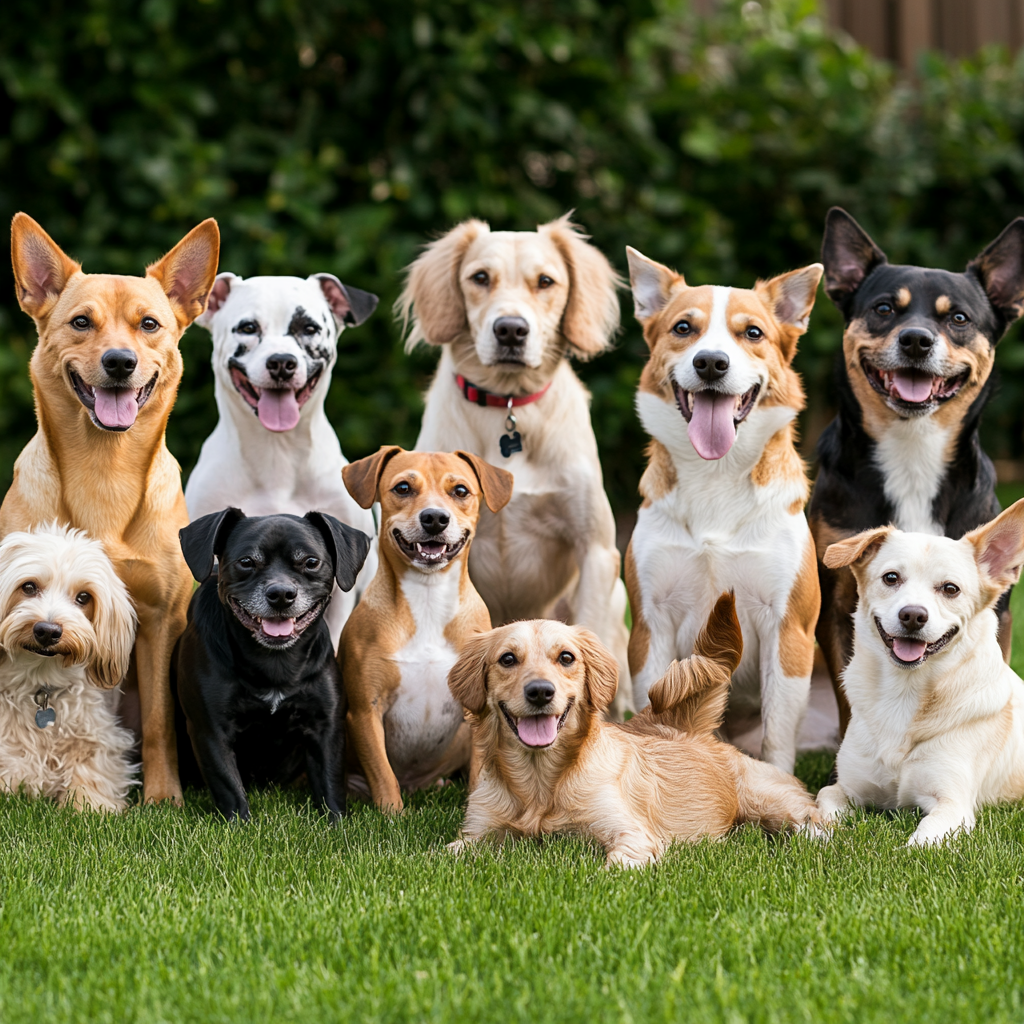
Dogs are more than just pets; they’re family. Capturing their personality through photography creates cherished memories that last a lifetime. But how do you take professional-looking dog photos? Whether you’re a beginner or looking to enhance your skills, this guide will provide essential dog photography tips to help you take frame-worthy shots.

Table of Contents
Essential Dog Photography Tips
1. Use Natural Lighting
Harsh flashes can startle dogs and cause red-eye effects. Opt for natural light whenever possible. Early morning and late afternoon provide soft, warm lighting that enhances your dog’s features.
2. Get on Their Level
Photographing dogs from above can create a detached look. Instead, get down to their level for more engaging and intimate shots.
3. Focus on the Eyes
The eyes are the windows to the soul, and in dog photography, they tell a story. Make sure your focus is sharp on their eyes to bring life to your images.
4. Use a Fast Shutter Speed
Dogs move quickly, and a slow shutter speed can result in blurry images. Adjust your camera settings to at least 1/500s or higher to freeze motion.
5. Capture Their Personality
Every dog has unique quirks. Whether they’re playful, lazy, or always alert, try to showcase their personality through action shots or candid moments.
6. Choose the Right Background
A cluttered background can distract from your dog. Opt for simple, clean backgrounds or use a shallow depth of field to blur the background and make your dog the focal point.
7. Reward and Praise
Using treats and toys can help keep your dog engaged and interested. Reward them for good behavior and make the experience fun and stress-free.

FAQs About Dog Photography
Q1: What’s the best camera for dog photography?
A: While DSLRs and mirrorless cameras provide high-quality images, smartphones with advanced cameras can also work well. Look for a camera with fast autofocus and good low-light performance.
Q2: How do I get my dog to stay still for a photo?
A: Use treats or toys to hold their attention, and try to photograph them when they’re relaxed, such as after a walk.
Q3: What’s the best angle for dog photography?
A: Eye-level shots create a more personal and natural perspective. Experiment with different angles to find the most flattering one for your dog.
Q4: Can I use my phone for dog photography?
A: Absolutely! Many smartphones have excellent cameras. Use portrait mode and good lighting to achieve professional-looking shots.
Conclusion
Dog photography is a rewarding experience that helps you capture your furry friend’s essence. With the right techniques, patience, and creativity, you can take stunning dog portraits that you’ll cherish forever. Whether you’re using a professional camera or a smartphone, remember to focus on their expressions, use natural lighting, and most importantly—have fun!
Helpful Notes:
- Always ensure your dog is comfortable during the photoshoot.
- Use burst mode for action shots.
- Try different settings and perspectives to find what works best.
Start experimenting today and create beautiful memories with your pup!