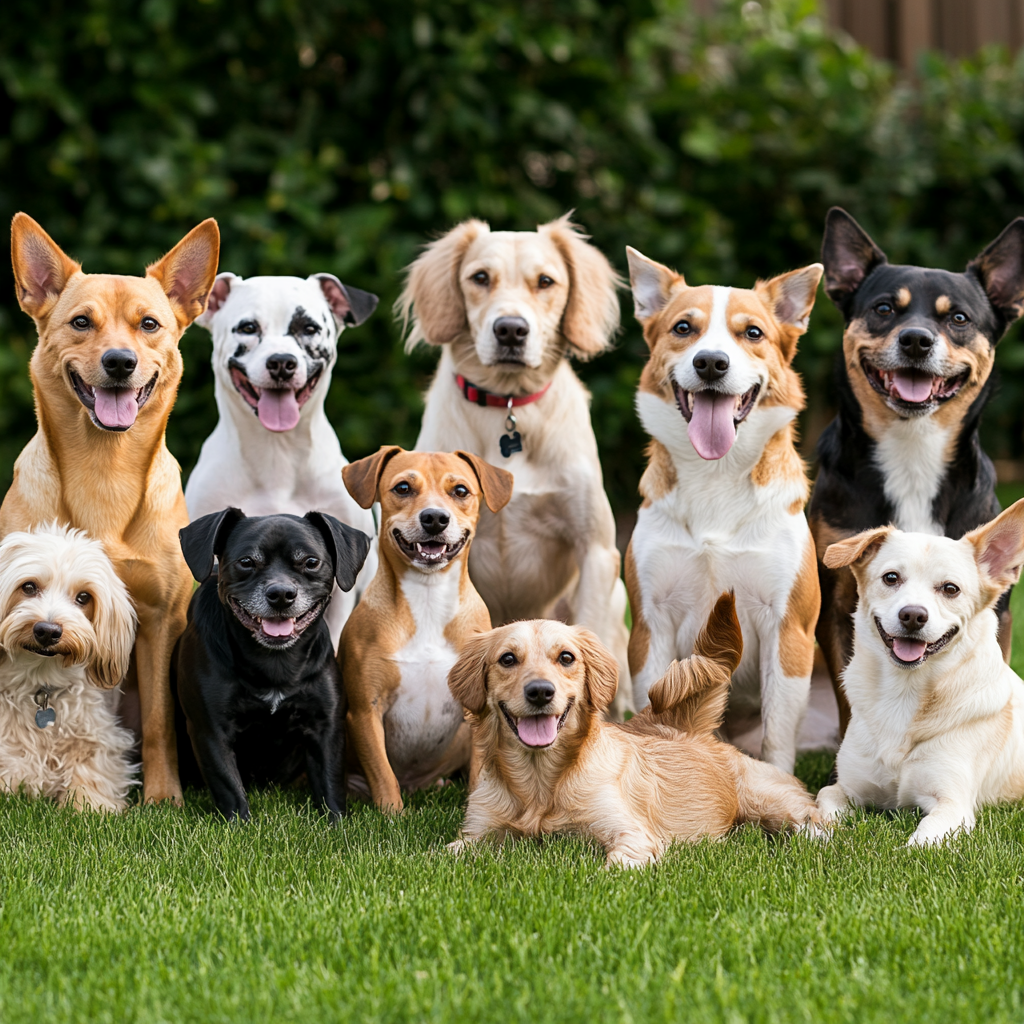
Taking care of a dog goes way beyond food and walks—do you know what your dog really needs to live a healthy and happy life?
Whether you’re a new pet parent or a seasoned dog owner, it’s easy to overlook some of the essentials that contribute to your dog’s overall well-being. From emotional support to physical exercise and proper nutrition, understanding your dog’s needs is the foundation of a strong bond and a longer, healthier life for your furry friend.
Let’s dive into the key things every dog needs—and a few that might surprise you!

Table of Contents
The Core Needs Every Dog Has
1. Proper Nutrition
Feeding your dog a balanced, age-appropriate diet is critical. Look for high-quality dog food with real protein sources, healthy fats, and no fillers or artificial additives.
2. Clean Water
This seems simple but is often overlooked. Dogs need access to fresh, clean water at all times to stay hydrated and healthy.
3. Daily Exercise
All dogs need movement—even small breeds. Walks, play sessions, and mental stimulation (like puzzle toys) are essential for physical and emotional health.
4. Safe Shelter
A clean, comfortable, and safe living space is a must. Whether your dog lives indoors or outside, they need protection from extreme weather and a cozy spot to rest.
5. Veterinary Care
Routine check-ups, vaccinations, and dental care are non-negotiables. Catching health issues early makes a huge difference in outcomes.
6. Training and Socialization
Dogs need structure and boundaries. Proper training not only makes them better behaved but also keeps them safe in different environments.
7. Love and Attention
Emotional needs are just as important. Dogs are pack animals—they thrive on affection, praise, and being close to their humans.

FAQs About Dog Needs
Q1: How often should I take my dog to the vet?
A: At least once a year for a wellness check. Puppies and senior dogs may require more frequent visits.
Q2: What’s the best way to tell if my dog is getting enough exercise?
A: If your dog is calm, sleeps well, and isn’t engaging in destructive behaviors, they’re likely getting enough. Consult your vet for breed-specific needs.
Q3: Do all dogs need training?
A: Yes! Even small or “easygoing” dogs benefit from basic obedience training. It keeps them safe and improves communication between you two.
Q4: What are signs my dog is not having their emotional needs met?
A: Clinginess, anxiety, excessive barking, or even depression-like symptoms (like lack of appetite or energy) could signal emotional neglect.
Conclusion
Caring for a dog is a long-term commitment, but it’s also incredibly rewarding. Understanding the full scope of your dog’s needs—not just the basics—helps you become the best pet parent possible. Remember: a happy, healthy dog is a loved and cared-for dog.
Helpful Notes for Dog Owners
Routine is comforting: Dogs thrive on predictable schedules—meal times, walks, and playtime.
Invest in enrichment: Toys, scent games, and agility activities prevent boredom.
Watch for subtle cues: Changes in appetite, behavior, or energy may mean something’s off.
Create bonding time: Even 10 minutes of focused attention or cuddles can fulfill emotional needs.
Tip: Bookmark this post or print it out as a checklist to make sure you’re covering all your dog’s essential needs!